What Changed in Wardogs Season 2 and Why Does the Rain Make It a Different Game?
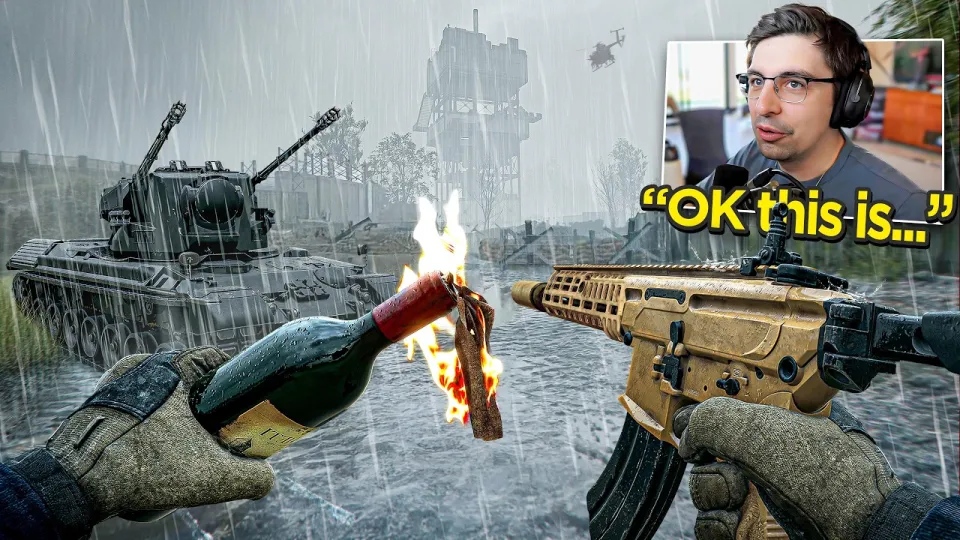
Video: Wardogs Is a Completely Different Game Now...
You can order the same kind of articles for your own video to boost it on YouTube and Google. Just message the Telegram bot @sat_sit_bot. It writes articles around your video, embeds the video and publishes them on popular niche websites (no ads). Free trial — 50 articles.
Key takeaways
- Wardogs Season 2 introduces heavy rain as a dynamic weather condition that affects visibility across the map.
- Rain reduces sightlines so much that players report struggling to see targets even at around 190 meters.
- HP ammunition becomes more valuable in the rain because leg shots bypass armor and drop targets faster.
- Infrared goggles gain value in rainy conditions since thermal detection cuts through the reduced visibility.
- Squad communication matters more than ever: grouped players in one voice chat coordinate callouts against larger, less organized groups.
Wardogs Season 2 has added heavy rain, and that single weather system changes how the extraction shooter plays more than most balance patches do. Visibility drops, sniper sightlines collapse, close-range fights become the norm and the value of ammunition types and optics shifts overnight. The gameplay shroud streamed shows exactly how far the change reaches, and you can catch the companion audio show through the shroud Spotify podcast.
What the rain actually does to Wardogs gameplay
The rain is not a cosmetic overlay. It is a visibility and audio modifier that reshapes every engagement on the map.
- Long sightlines become unreliable. Players report that even at roughly 190 meters it can be hard to identify a target, which guts the traditional sniper role.
- Sound cues get muddied by the storm, so audio-based spotting is less dependable than in clear weather.
- Rotations slow down because players hug cover and buildings rather than crossing open ground.
- Fights compress into close quarters, which favors SMGs, shotguns and aggressive pushes over scoped rifles.
One of the most repeated observations from the community is that the rain gives the game more room for different player types. A player who never had the aim for 300-meter snipes can now win fights by reading buildings and controlling tight angles. That is a genuine design shift, not just atmosphere.
Why HP ammo is the key to rainy-day firefights
The single most expensive mistake in the rain is shooting armored torsos with the wrong ammunition.
In Wardogs, armor absorbs most of the damage from standard rounds hitting the chest and head. HP (hollow point) ammunition behaves differently: it shreds unarmored limbs, so leg shots bypass the plate entirely and drop a target fast. When a teammate calls out that a weapon has HP rounds loaded, the correct response is to aim at the legs, not the torso.
The streamed session shows the failure mode clearly. A player is told to shoot legs, acknowledges the instruction, then keeps firing into the chest and head, dies, and blames the gun. The weapon was never the problem. The PP-19 with HP rounds is genuinely strong in close quarters, and not realizing what ammunition is loaded is a brutal way to lose a fight you should win.
Practical checklist for rainy lobbies:
- Check your magazine type before every raid, not after the first death.
- Bind a quick way to verify ammo so you are not opening the inventory mid-fight.
- Aim low against armored opponents when running HP rounds; legs first, then finish.
- Do not repack magazines in the open. More on that below.
Infrared goggles and the new optic meta
With natural light cut by the storm, thermal and infrared optics become disproportionately valuable.
Infrared goggles let you pick out bodies through the gloom at ranges where the naked eye fails, which turns a visibility penalty into an advantage for anyone who brought the right gear. The trade-off is cost and weight, so the rain effectively raises the price of competing in long-range fights. Players who skip thermals should plan around buildings and short angles instead of trying to win the vision war.
This is the same logic that makes the rain feel like a different game rather than a new map: the gear that was optional in clear weather becomes mandatory in the storm.
Positioning, inventory discipline and the mistakes that get you killed
The rain punishes multitasking, and the most common death in the footage is self-inflicted.
A player takes fire from a building, correctly identifies that someone is inside, drops down, and then opens the inventory mid-fall to repack magazines instead of watching the angle. The same shooter kills him seconds later. The lesson is simple and applies in every weather condition but is amplified in the rain, where you cannot rely on spotting the enemy from a distance:
- Never open the inventory while you are exposed or mid-movement.
- Clear the threat you already know about before you optimize your kit.
- Announce your push so teammates can cover the angle you are not watching.
- Treat every building as occupied until proven otherwise in low visibility.
Do squads actually have an advantage in the rain?
The rain rewards coordination more than raw aim, and that is where organized groups pull ahead.
A recurring point in the community is that twenty unaffiliated players spread across the map are not the same threat as six players in one voice channel making callouts, stacking pushes and covering each other's reloads. In low visibility, information is the scarcest resource, and a squad that shares it effectively can beat a larger but fragmented lobby.
The flip side is that rain also makes big defensive builds more attractive. Groups that fortify a position and force others to push through bad visibility gain a real edge, and some of the most memorable moments in the footage come from exactly that kind of base. If you are playing solo, avoid the fortified areas and rotate around them rather than testing them.
Player questions and doubts about the new weather
Three concerns come up again and again among Wardogs players after the rain update.
First, sniping. The community consensus is that the rain has gutted long-range play, and that is a deliberate trade rather than a bug. If you built your loadout around a scoped rifle, the rain is a signal to bring a secondary that works inside 50 meters.
Second, recoil control. Watching a top-tier player track targets in the storm makes the average player's spray look worse than it is; the rain does not change recoil values, it just removes the visual feedback you normally use to correct mid-spray. Practice in short bursts and rely on muscle memory rather than sight.
Third, health thresholds. Low-HP clutches look superhuman on stream, but the underlying lesson is that HP is a resource to spend deliberately, not a reason to panic. Reset the fight, heal, and re-engage on your terms.
All the links from the stream
- shroud's Spotify show
- Logitech G products with the shroud promo code
- Maingear shroud reference PC build
- shroud on Twitter
- shroud on Twitch
The bottom line on Wardogs Season 2
The rain in Wardogs Season 2 is the rare weather system that changes loadouts, positioning and squad behavior all at once, and the gameplay shroud captured shows how quickly it punishes old habits. Players who adapt by switching to close-range weapons, loading HP ammo, bringing infrared optics and keeping their inventory closed during fights will find the storm works in their favor. Those who keep playing clear-weather Wardogs will keep dying to the same building. For more of these breakdowns, follow shroud's channel and subscribe to the Spotify show for the audio version of the discussion.
Source: Wardogs Is a Completely Different Game Now... · Markdown version
Questions & answers
Does the rain in Wardogs Season 2 actually change gameplay or is it cosmetic?
It changes gameplay. Visibility drops enough that identifying targets at around 190 meters becomes difficult, which weakens sniping and pushes fights into close quarters. Sound cues are also muddied, so audio spotting is less reliable and rotations slow down as players hug cover.
Why does everyone say to shoot legs with HP ammo?
HP ammunition damages unarmored limbs heavily, so leg shots bypass body armor entirely and drop a target much faster than chest shots with standard rounds. If a teammate tells you a weapon has HP rounds loaded, aim low instead of firing into the plate.
Is sniping still viable in rainy Wardogs matches?
Barely. Players report that even around 190 meters it can be hard to see targets, so scoped rifles lose much of their value. A practical approach is to bring a strong close-range secondary and treat long sightlines as unreliable rather than as your main plan.
Do infrared goggles get better in the rain?
Yes. With natural light cut by the storm, thermal and infrared optics let you spot bodies at ranges where the naked eye fails, turning the visibility penalty into an advantage. The trade-off is cost and weight, so budget for them or plan to fight inside buildings.